Click on the images below to enlarge
|
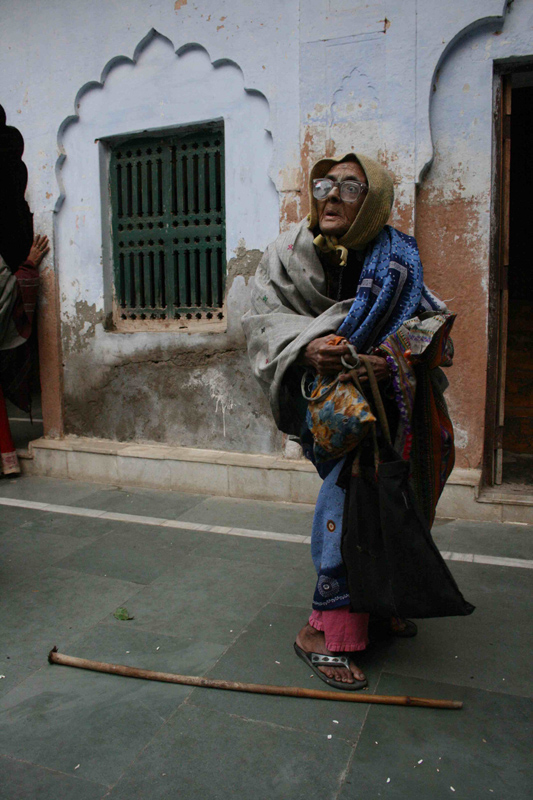

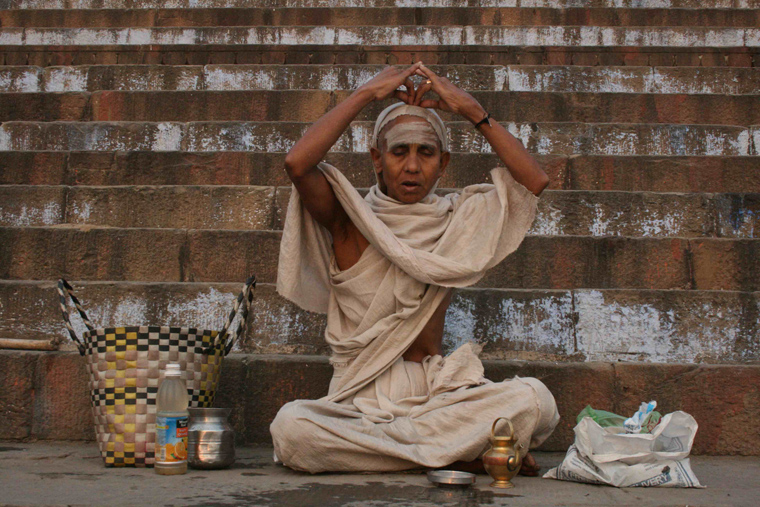

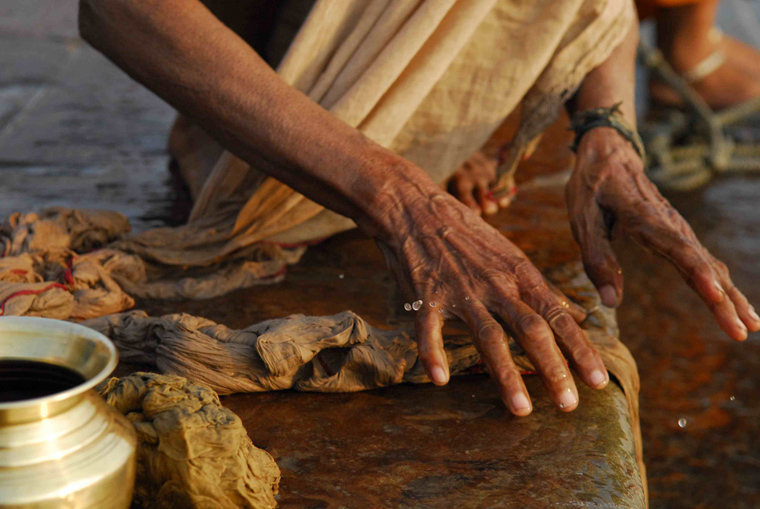
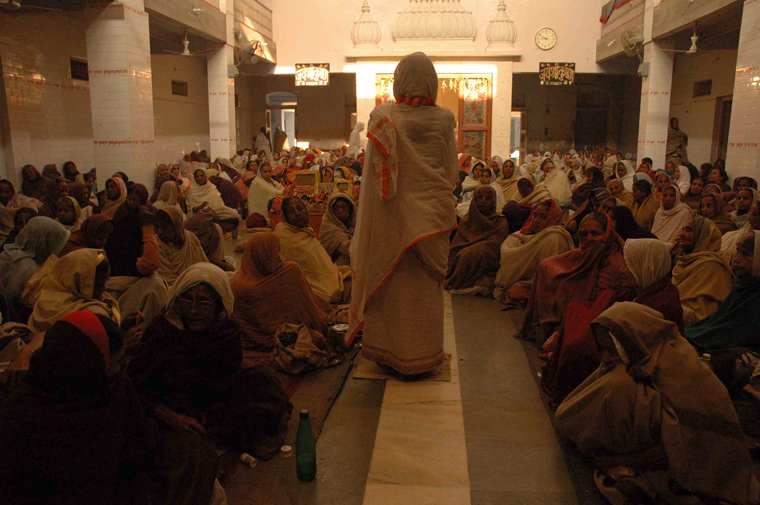
Ancient religious laws once held women responsible for their husband’s death. Widows were socially ostracized, discriminated against and deemed inauspicious by society. Widows were expected to perform the sati, an act of burning oneself on her husband’s funeral pyre, to prove that they were virtuous and morally upright.
As India modernizes, some of these traditions gradually fell out of practice. Authorities moved to outlaw the practice of sati, and widows no longer face such ostracism in this day and age. Still, in large pockets of rural India, this belief has often been used as a justification by impoverished families to abandon their widows.
The deserted women seek solace in religion, travelling thousands of miles to congregate in the Hindu holy cities. Due to the traditional patriarchal system prevalent in large parts of India, women’s education often took on lower priority. As a result, most of the abandoned women are old, uneducated and unskilled. Being a woman further restricts the job opportunities that men are often privy to. Unable to find work and to some extent, limited by the traditional worldview they grew up with, many widows find that survival continues to be a daily struggle.
To date, there are 34 million widows in India – the result of olden-day practices such as child marriages to older men and religious laws that forbade remarriages. Approximately 40,000 widows reside in the cities of Benares and Vrindavan. Widows who go to Benares believe that the person who dies there gains salvation; while the widow who goes to Vrindavan dedicates her life to Lord Krishna for company and protection.
In these holy cities, widows populate the streets, fending for themselves. With increasing help available, the number of widows entering the holy cities is expected to rise.